Portfolio

Formbuilder:
Federal Police

How I designed a system that lets forensic experts create custom forms for each type of examination.

Client Federal Police
Product Formbuilder
Role UX Designer
Year 2023
Method Design Thinking
Format Web system + app
View case
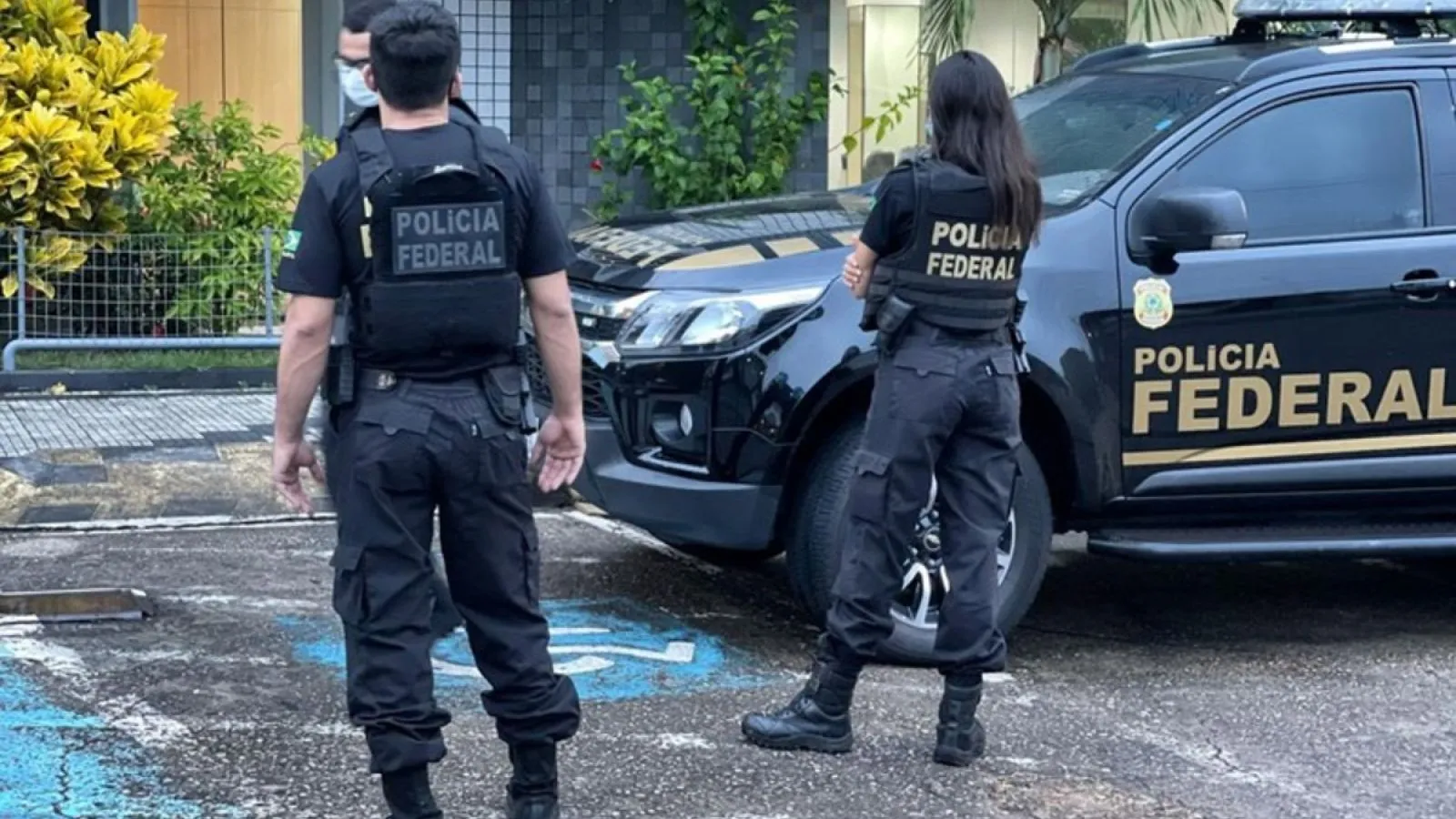
Photo of a Federal Police vehicle and equipment

I designed Formbuilder, which lets Federal Police forensic experts create tailor-made forms for each examination, with positive feedback from experts and chief investigators after launch.

(1) Challenge

Forensic experts needed custom forms for each case, instead of a rigid inspection process.

(2) My role

UX Designer: research with forensic experts, Design Thinking, flows, wireframes and prototype.

(3) Solution

A system to create, edit and delete forms, and an app that gives the expert the right form for each examination.

(4) Result

Only positive feedback from experts and chief investigators after launch, with continuous updates to this day.

Context and problem

FormBuilder is a system that modernizes evidence inspection at the Federal Police. It lets highly qualified forensic experts create custom forms to make evidence analysis faster and more organized.

The challenge was to let experts carry out examinations in a calmer, more tailored way. For example, when a truck arrives with damage that may be linked to criminal activity, the expert needs to take photos and put together a questionnaire tailored to the specifics of that case.

Visit to the Federal Police to understand the forensic experts' routine. Click to enlarge.

Process

In the initial planning, we held several meetings and brainstorming sessions, following Design Thinking to define the scope of the solution without drifting from the problem. We also made visits and detailed shadowing sessions to understand the experts' routine.

With a rough idea of how the app would work, I quickly created digital wireframes, keeping user feedback at the center.

(1)
Immersion

Visits and shadowing of the experts' routine.

(2)
Brainstorming

Meetings and sessions following Design Thinking.

(3)
Wireframes

Agile digital prototypes, guided by user feedback.

(4)
Continuous evolution

Ongoing updates to improve navigation.

First prototypes

First version: dashboard. Click to enlarge.

First version: form builder. Click to enlarge.

First version: My Profile. Click to enlarge.

The solution

The solution required a system able to organize, create, edit and delete forms. Requests come in through chief investigators and are routed to the expert, who builds custom forms for three types of examination: Genetics, Vehicle and Crime Scene. In the app, the expert receives the form for that type of examination and completes the process efficiently.

Genetics Dedicated form
Vehicle Dedicated form
Crime Scene Dedicated form

Decision scope

Decision-making structure within Formbuilder.

Formbuilder decision flow. Click to enlarge.

Final prototype

Final version: dashboard. Click to enlarge.

Final version: form builder, with components such as questions, barcode, camera and geolocation. Click to enlarge.

Final version: My Profile. Click to enlarge.

Result

After full implementation and launch, we received only positive feedback. Experts and chief investigators were very satisfied, and we keep updating the system to improve the navigation experience.

Positive feedback Experts and chief investigators
More organized examinations The right form for each type
Continuous evolution Updates to this day

What I learned

The project was long and full of lessons. The visits and detailed shadowing were essential to understanding the experts' routine and designing a tool that truly made their work easier.

Helping simplify how the government works, with a system that supports forensic professionals, was an exceptional learning opportunity.